.jpeg)

What If Creativity Disappeared?
- Carol Mugide

- Jun 24
- 3 min read
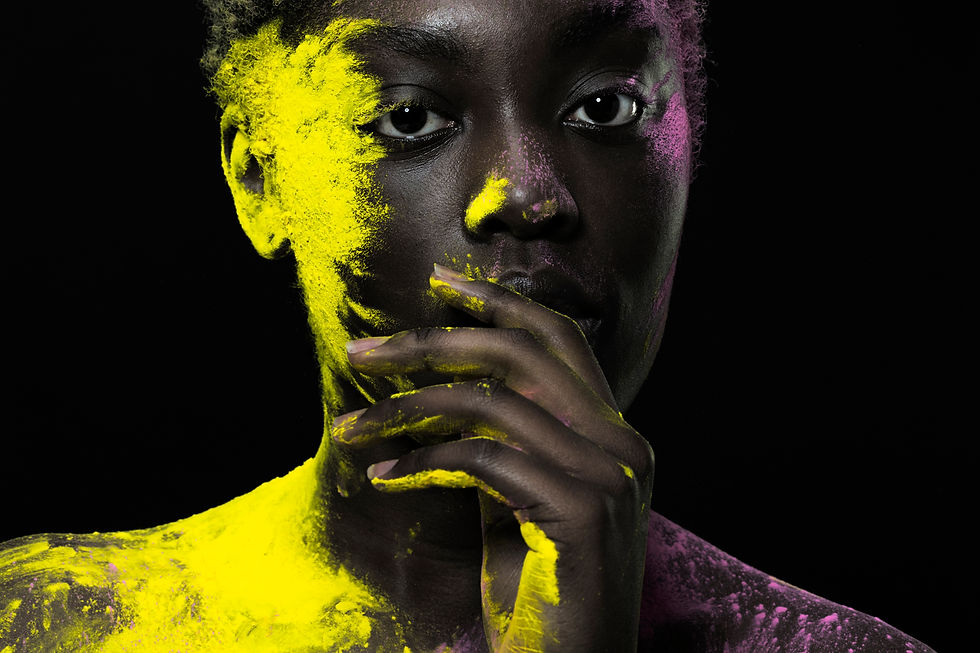
Creative industries are often viewed as secondary beautiful but nonessential, expressive but not fundamental. Yet a closer look reveals something different. Creativity is not confined to galleries, studios, or stages; it's embedded in our everyday lives. It’s in the clothes we wear, the homes and cities we live in, the digital tools we rely on, the music that gets us through the day, and the stories that help us make sense of the world.
When we pause to reflect, it becomes clear: creativity is everywhere. And without it, the world would look and feel entirely different.
The Everyday Presence of Creativity
Most people don’t wake up thinking about the creative industry, yet it's involved in the first moments of the day. The playlist you queue on your morning run? That’s the work of musicians, sound engineers, and producers. The fashion choice you make? That’s someone’s design vision brought to life. The user-friendly layout of your favorite app? A creative team made that happen.
We often overlook this because creativity feels seamless. But that’s the point—it’s so deeply woven into our lives that we don’t always see it. Still, we experience it every day.
More Than Art: It’s Economic and Social Impact
Globally, the creative economy generates millions of jobs and contributes significantly to GDP. In many countries, creative industries are among the fastest-growing sectors, encompassing film, fashion, advertising, digital media, architecture, publishing, crafts, and more.
In Uganda, for example, the rise of locally made content from music and film to fashion and digital design reflects not only cultural identity but also economic opportunity. Young creatives are building brands, designing tech solutions, and telling stories that matter both locally and globally.
Beyond economics, creativity helps us process trauma, build resilience, and imagine better futures. In post-conflict or post-pandemic settings, arts and storytelling have been central to healing and recovery. Creativity is a powerful agent for change.
A World Without Creativity?
So, what would our lives look like if creativity suddenly disappeared?
No music.
No design.
No storytelling.
No innovation.
Imagine a world where advertisements are dull, spaces are uninspired, apps are clunky, fashion is uniform, and culture is silent. That’s the reality we risk if we fail to recognize and invest in creative sectors.
Why We Must Support Creative Industries
Supporting creative industries is not just about funding artists, it’s about sustaining the engine that drives human expression, innovation, and connection. Governments, institutions, and communities need to prioritize policies and programs that nurture creativity at all levels, from grassroots creatives to industry professionals.
Investing in the creative economy means investing in education, infrastructure, intellectual property rights, technology access, and international collaboration. It also means shifting how we value creativity, not as a “nice-to-have” but as a core driver of progress.
Final Thought: Keep Creativity at the Center
Creative industries are not just about what we consume—they reflect who we are and who we’re becoming. They give voice to the unseen, shape the future of work, and help us adapt in a world full of change.
So the next time you put on your favorite outfit, watch a local film, read a compelling article, or use an app that just works—remember the creative minds behind it. And ask yourself: What can I do to support the creative energy that brings life to our world?



Comments